
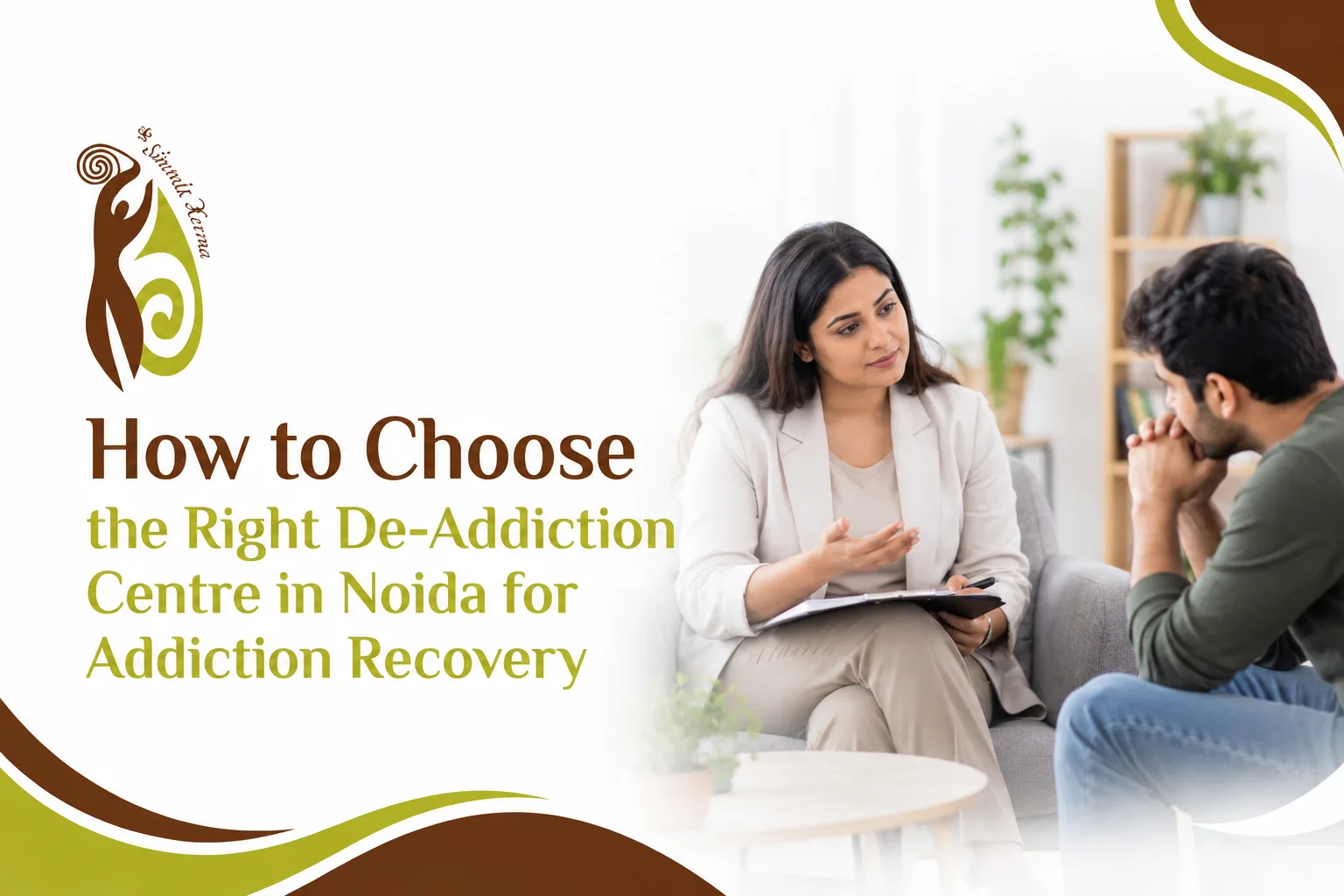
Addiction can affect a person's physical health, emotional well-being, relationships, and daily life. Whether someone is struggling with alcohol dependence, drug use, or repeated relapses, finding the right professional support is an important step towards recovery. However, choosing a suitable treatment facility can be challenging, especially when families are unsure about treatment methods, medical supervision, and long-term rehabilitation.
If you are searching for a De-Addiction Centre in Noida, it is important to look beyond facilities and accommodation. The right centre should prioritise medical safety, individualised treatment, psychological support, and long-term recovery planning. Understanding these factors can help individuals and families make a more informed decision.
1. Look for Qualified Psychiatric and Medical Support
The first step is to evaluate the qualifications and experience of the clinical team. Addiction may involve physical dependence, withdrawal symptoms, anxiety, depression, sleep disturbances, and other mental health concerns. Professional assessment helps determine the appropriate level of care for each individual.
Before selecting a centre, ask whether qualified psychiatrists and medical professionals are involved in treatment planning. Also, understand how the facility manages withdrawal symptoms and medical emergencies.
A reliable treatment approach should focus on patient safety, dignity, and appropriate clinical supervision rather than making unrealistic promises about recovery.
2. Understand the Complete Addiction Treatment Programme
Effective Drug Addiction Recovery involves more than stopping substance use. It may require medical assessment, supervised withdrawal management, psychological interventions, behavioural support, and rehabilitation.
When evaluating a treatment facility, ask about the following:
- Initial assessment: Understanding substance use patterns, medical history, and mental health needs.
- Withdrawal management: Providing appropriate medical supervision when withdrawal symptoms may pose health risks.
- Psychological support: Helping patients understand triggers, manage cravings, and develop healthier coping strategies.
- Behavioral counselling: Supporting positive lifestyle changes and healthier decision-making.
- Relapse prevention: Identifying high-risk situations and developing strategies to maintain recovery.
- Continuing care: Planning follow-up support after the initial treatment programme.
The treatment plan should be based on the individual's condition, substance use history, and clinical needs. Not everyone requires the same duration or type of care.
3. Check Whether the Centre Addresses Mental Health Concerns
Addiction can occur alongside mental health conditions such as depression, anxiety, bipolar disorder, or other psychiatric disorders. When these concerns coexist, both substance use and mental health symptoms may need professional assessment and appropriate treatment.
Families looking for a Psychiatric Hospital in Noida should check whether the facility can assess psychiatric symptoms and coordinate suitable care for individuals experiencing addiction-related mental health challenges.
A comprehensive approach considers the person's emotional well-being, behaviour, physical health, family environment, and recovery goals. Early professional support can help identify underlying concerns and guide appropriate treatment decisions.
4. Evaluate the Rehabilitation Environment
The environment in which a person receives treatment can influence their comfort, participation, and willingness to continue recovery. A supportive rehabilitation setting should maintain cleanliness, privacy, safety, and respectful communication.
During your enquiry or visit, consider asking:
- Is the environment safe, hygienic, and suitable for rehabilitation?
- Are treatment routines structured around individual needs?
- Are patients treated with dignity and respect?
- Is professional support available when difficulties arise?
- Are family members given appropriate guidance about the recovery process?
A calm and supportive environment can help individuals focus on treatment while developing healthier routines and coping skills.
5. Understand the Role of Family Support
Addiction often affects the entire family. Loved ones may experience stress, uncertainty, and difficulty understanding how to support someone during recovery.
A suitable rehabilitation programme should explain how families can participate in the recovery process, where clinically appropriate. Family education and counselling may help relatives understand addiction, establish healthy boundaries, communicate more effectively, and recognise possible warning signs of relapse.
Families should also learn how to encourage recovery without blame, stigma, or unrealistic expectations. Recovery can take time, and consistent support can be valuable throughout the process.
6. Ask About Relapse Prevention and Long-Term Recovery
Completing an initial treatment programme does not necessarily mean that recovery challenges are over. Individuals may continue to experience cravings, emotional stress, or exposure to situations associated with previous substance use.
Before choosing a centre, ask what happens after discharge. A well-planned recovery programme may include follow-up consultations, counselling, relapse-prevention strategies, family guidance, and referrals for additional support when required.
The goal of long-term recovery is to help individuals develop healthier coping mechanisms, rebuild relationships, and gradually return to daily responsibilities. Families should understand that setbacks may require reassessment and additional professional support rather than judgment.
7. Review Transparency, Safety, and Treatment Costs
Before admission, make sure the facility clearly explains its treatment process, available services, costs, and policies. Ask about the registration or licensing applicable to its services and location, the qualifications of its clinical team, emergency arrangements, and patient rights.
Request a clear breakdown of the expected expenses, including consultation, medical care, accommodation where applicable, counselling, and follow-up support. Be cautious of facilities that promise guaranteed recovery or pressure families into making immediate decisions without an appropriate assessment.
Taking time to verify these details can help families choose a treatment setting that aligns with their needs and expectations.
Why Professional Guidance Matters at Shanti Home
Shanti Home is a mental healthcare and rehabilitation organisation established in 2007, with a focus on psychiatric care, de-addiction treatment, rehabilitation, and continuing support. According to its official website, the organisation has treated more than 87,000 patients and operates four specialised centres across Greater Noida and Delhi.
Dr Manish S. Kansal is a psychiatrist with more than 25 years of experience. He completed his medical education at BJ Medical College, University of Pune, followed by a Diploma in Psychological Medicine (DPM) from KEM Hospital, Mumbai. His work focuses on psychiatric care, de-addiction, and rehabilitation, with an emphasis on compassionate support and structured recovery.
Dr Rupali P. Shivalkar is also a psychiatrist with more than 25 years of experience. Her qualifications include MBBS and DPM from institutions in Mumbai, along with an MD in Psychiatry from GSMC and KEM Hospital, Mumbai. Her professional background includes experience associated with AIIMS and St Stephen's Hospital, Delhi, and previous faculty experience at IHBAS. Her approach emphasises ethical care, clinical understanding, and dignified rehabilitation.
At Shanti Home, the stated philosophy is centred on healing with dignity, care, and commitment. Individuals and families can enquire about available services, the assessment process, and suitable treatment options to understand whether the organisation can meet their specific needs.
Take the First Step Towards Addiction Recovery
Choosing the right de-addiction facility requires careful consideration of clinical expertise, treatment planning, patient safety, psychological support, and continuing care. Rather than focusing only on location or accommodation, prioritise a programme that understands the individual's needs and provides appropriate professional guidance.
If you are exploring a De-Addiction Centre in Noida, comparing treatment options and asking the right questions can help you make an informed decision. With timely professional support, a personalised recovery plan, and ongoing guidance, individuals can work towards healthier routines and improved well-being.
For information about psychiatric care, de-addiction treatment, or rehabilitation services, contact Shanti Home to discuss the available options with the care team.